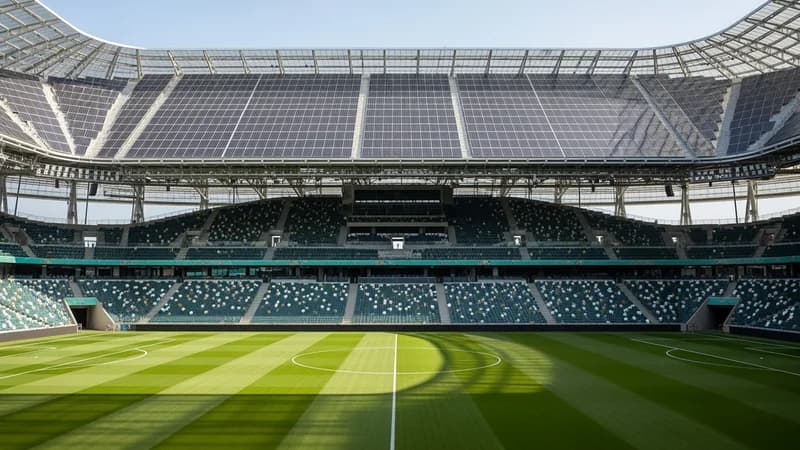
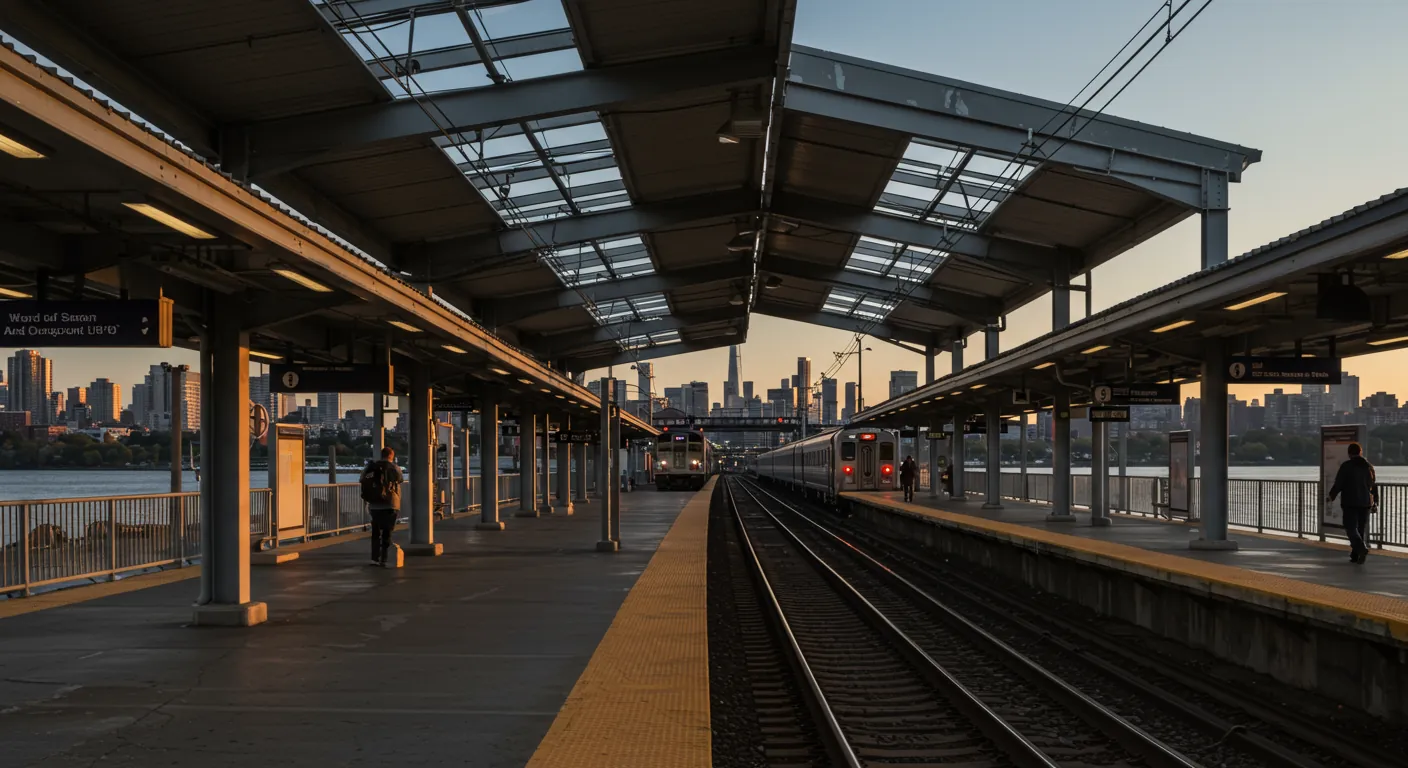
The most-watched match of the 2026 World Cup, the Final on 19 July, will be played at MetLife Stadium in East Rutherford, New Jersey. Approximately 82,500 ticket-holders will need to reach the venue, and most of them will not drive. MetLife Stadium has 28,000 parking spaces. The remainder of the crowd, plus staff, media and sponsors, depends on the Meadowlands Rail Line operated by New Jersey Transit, the publicly-owned commuter rail network that connects northern New Jersey, New York City and parts of Pennsylvania.
For the past nine months, New Jersey Transit and FIFA, the international governing body for football, have been negotiating how the match-day rail tickets to the eight matches at MetLife will be sold. The two sides do not agree, and the dispute has now spilled into public statements from both the New Jersey governor's office and FIFA's local organising committee.
The two positions
New Jersey Transit's position, restated by the agency's CEO Kevin Corbett in a March 2026 statement, is that match-day rail fares should be set by the agency under New Jersey state law. The default match-day round-trip fare from Penn Station Manhattan to Meadowlands Rail is currently USD 5.50. The agency proposes a USD 12.00 round-trip surcharge for World Cup matches to fund additional service, peak-day staffing and platform security. That fare would still be cheaper than peak-day Amtrak service to Newark or a New York City rideshare to East Rutherford.
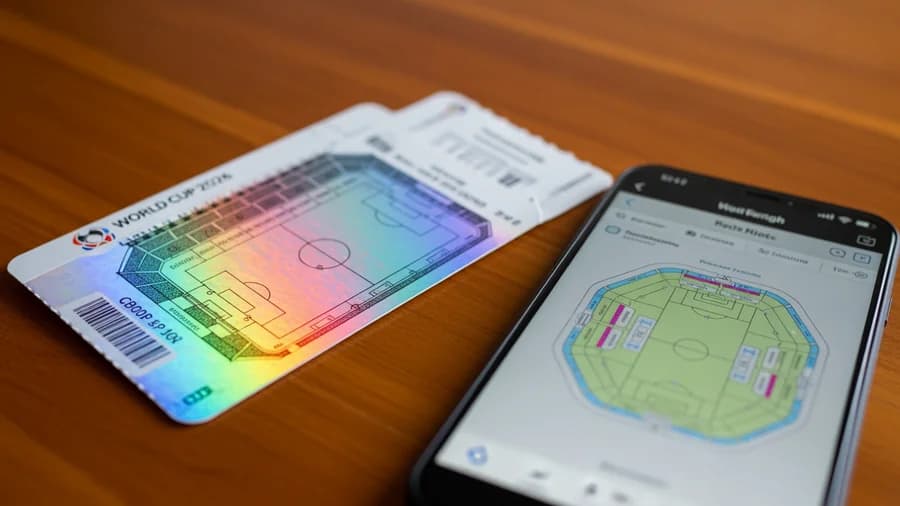
FIFA's position is that match-day transport should be bundled into the official ticket package, sold through the FIFA Tickets app, and operated by FIFA's preferred logistics partner. The bundling arrangement would route revenue to FIFA, which would then reimburse New Jersey Transit at a negotiated wholesale rate. The proposal is consistent with how match-day transport was bundled at the 2018 Russia and 2022 Qatar tournaments.
The financial stakes for New Jersey are larger than the rail fare alone. Match-day taxis, parking, surrounding food and beverage sales and hotel demand all benefit when transit access is direct and frictionless. The state estimates total New Jersey revenue from the eight MetLife matches at USD 320 million across all sources. Friction at the rail station could shift demand toward New York-side hotels and restaurants, which is why the New Jersey governor's office has taken a public interest in the matter.
Why this is more than a fare argument
The deeper dispute is about who owns the operational control of access to a publicly-owned venue. MetLife Stadium is privately owned by the Mara and Tisch families, who also own the New York Giants and New York Jets, respectively. The Meadowlands Rail Line that serves it is publicly owned and operated by New Jersey Transit. FIFA's preference is to operate every venue access point through its own commercial partners, including the rail link, because the unified system reduces friction for ticket-holders and produces consistent sponsor placement. New Jersey's preference is to operate its own rail line through its own staff, because that is how the line is operated for every other event at the venue.
FIFA's broader sponsor agreement with Visa, the official payment network of the 2026 World Cup, also factors in. Visa has an exclusivity clause that means card payments at all FIFA-controlled access points should be routed through the Visa network. New Jersey Transit's contactless payment system accepts Visa, Mastercard and American Express. If the rail line is bundled into the FIFA ticket, only Visa would process the fare. New Jersey Transit's existing fare-collection contract with Cubic Transportation Systems prohibits this kind of single-network restriction.
The 1994 precedent
The last time the United States hosted a men's World Cup, in 1994, MetLife Stadium did not exist (it opened in 2010 as the replacement for Giants Stadium). The 1994 Final was at the Rose Bowl in Pasadena, California. Match-day transit to the Rose Bowl was operated by Los Angeles County Metropolitan Transportation Authority through standard fare structures, with no FIFA bundling. The arrangement worked well enough that no public dispute is recorded in the federal documents from that cycle.
The model has changed in the three decades since. FIFA's commercial template now includes match-day transport bundling as a standard line item. The 2018 Russia tournament and the 2022 Qatar tournament both bundled rail transit. In Russia, the FIFA Fan Transport Programme provided free rail transport to ticket-holders along an FIFA-coordinated route network. In Qatar, the Doha Metro was operated by Qatar Rail under a similar arrangement. Both tournaments delivered seamless ticket-holder experience, but both were operated in countries where the rail systems are state-owned and the operating agency reports up to a national tournament organisation.
The United States and Canada operate transit federally and locally with no national tournament authority that can override state contracts. New Jersey Transit answers to the New Jersey Department of Transportation, which answers to the state government. FIFA cannot direct New Jersey Transit operations without a state-level agreement, and that agreement is what is in dispute.
What it means for travelling fans
If the dispute resolves in New Jersey Transit's favour, fans buy a separate match-day rail ticket through the standard NJ Transit mobile app or station vending machines, plus their FIFA Tickets app entry to the stadium. Two apps, two transactions, two confirmations. Inconvenient but workable.
If the dispute resolves in FIFA's favour, the match-day rail ticket is bundled into the FIFA Tickets app at the time of stadium ticket purchase. One app, one transaction. The bundled rail fare is likely higher than the New Jersey Transit standalone fare, but the friction is lower.
If the dispute is not resolved by the start of the tournament on 11 June, the most likely default is that New Jersey Transit operates the rail line under standard match-day fares while FIFA's app routes ticket-holders to the platform with QR-coded directions. Two systems running in parallel, with the friction concentrated at the Meadowlands Rail platform during the post-match crush.
For the most up-to-date guidance on rail transit to MetLife Stadium for match days, see our MetLife Stadium venue page and the New York and New Jersey city guide. The eight matches at MetLife include the Final on 19 July; the full per-match listing is on our venue matches section.